


By MusicArticles.org
Published: August 2, 2026
Introduction: The Difference Between Good and Great Production
In the modern music landscape, the gap between bedroom producers and professional engineers has never been narrower. With high-quality plugins, affordable monitors, and endless YouTube tutorials, anyone can create a track that sounds decent. The difference between good and great isn’t about gear—it’s about process.
This article explores five studio habits that professional producers use consistently, based on insights from established artists and educators who have spent decades refining their craft . These aren’t flashy tricks or secret plugins. They are repeatable systems that build consistency and quality over time.
Whether you’re a beginner or a seasoned producer, adopting these habits can transform your workflow and elevate your music to the next level.
1. Fixed Session Blocks: Consistency Over Inspiration
Many producers fall into the trap of waiting for inspiration to strike before opening their DAW. This approach leads to inconsistent output and unfinished tracks. Professional producers treat their craft like a profession—not a hobby .
The 90-Minute Rule
For most producers, the sweet spot for focused work is 60 to 120 minutes. Below 45 minutes, arrangement work suffers. Above three hours, decision-making becomes sloppy unless you’re already trained for long desk sessions .
How to implement:
| Strategy | Why It Works |
|---|---|
| Schedule 4 sessions per week | Beats 7 “fake sessions” that turn into preset browsing |
| Assign one session type (write, arrange, mix, or export) | Prevents mixing during writing, which kills momentum |
| Start with a fixed checklist | Sample rate, bit depth, master peak below -6dB, reference track loaded |
| Stop when the task is done | Not when the track feels finished |
The Real Metric: Finished Drafts
Track your output by completed arrangements, not hours spent. A producer who completes two full arrangements per month is making progress. A producer who spends 40 hours tweaking loops has a process problem, not a music problem .
Log your sessions:
- Date, project name, BPM, key
- Session type and task
- What you accomplished
- Next action for the next session
This simple habit builds momentum and prevents the dreaded “opening a project and having no idea where you left off” scenario.
2. The “Core Four” Philosophy

One of the biggest mistakes new producers make is layering too many elements into a track. Professional producers understand that constraint breeds creativity .
Identify Your Four Core Elements
The sister duo me n ü (FEMMY-nominated Breakthrough Artists) describe their production philosophy as identifying exactly four core elements that serve as the “North Star” of the song :
- Vocals (or main melodic hook)
- Drums (kick, snare, hat foundation)
- One main musical element (chords, pad, or rhythm section)
- One melody (the earworm that defines the track)
Everything else exists to support these four elements .
The Art of Subtraction
“Simplicity isn’t indicative of a lack of talent—it can show taste and confidence in the craft,” they explain . A lot of the professional “sauce” isn’t in the technicalities—it’s in the choice of sounds and, more importantly, the choice of what doesn’t make the final cut.
Try this exercise:
| Step | Action |
|---|---|
| 1 | Export your current arrangement |
| 2 | Create a new session and import only your 4 core elements |
| 3 | Listen critically—what is actually missing? |
| 4 | Add back only what truly improves the track |
You’ll often find that your production improves significantly when you cut the excess.
3. Panning as Your Secret Weapon
A crowded mix is a muddy mix. Professional producers use panning to create space, clarity, and movement .
The Center Channel Rule
The me n ü duo reveals that they pan almost everything in their projects, leaving only 2-3 core elements in the center :
| Center Elements | Panned Elements |
|---|---|
| Kick drum | Most instruments and synths |
| Main vocal | Percussion elements |
| One main musical element (chords or extra melody in the drop) | Background vocals |
Static vs. Dynamic Panning
- Static panning: Elements stay in a fixed position (e.g., hi-hats panned slightly right)
- Dynamic panning: Elements move throughout the track using automation
The key is symmetry. Make sure there’s never noticeably more information on one side than the other . Keep your projects balanced.
Recommended Tools
| DAW/Plugin | Use Case |
|---|---|
| Logic’s PanMan | Automated panning movement |
| Manual automation | Complete control over panning changes |
| Any DAW’s basic pan knob | Simple static positioning |
4. Recording Automation Takes While Standing
One of the most profound insights from veteran producer Vince Watson (30 years in house and techno, over 1,000 tracks, 250+ EPs, and 18 albums) is about humanizing your music .
The Problem with Plugin Automation
“One thing about using plugins is that it completely removes the instinctive humanisation from the music too easily,” Watson explains . “Yes, we can all assign any MIDI parameter to any MIDI controller and make some automations, but I see all too often in younger producers’ productions that a few simple automations, copied and pasted over the entire part, and the job is done… erm, no. This is how you create music that doesn’t last the test of time, has no life, and creates a sense of repetition too easily for the mind.”
The Solution: Move Your Body
Watson recommends a simple but powerful approach :
- Jam out multiple takes while playing the track back
- Do it in context—not in solo mode
- Express yourself physically while recording
- Stand up while doing it—not sitting crouched in a gaming chair
“If you move, the music moves with you” .
Why This Works
| Sitting/Crouched | Standing/Expressive |
|---|---|
| Stiff, mechanical automation | Fluid, organic movement |
| Repetitive, copy-pasted patterns | Unique, varied takes |
| Music that feels “programmed” | Music that breathes and feels alive |
5. The 32-Bar Principle
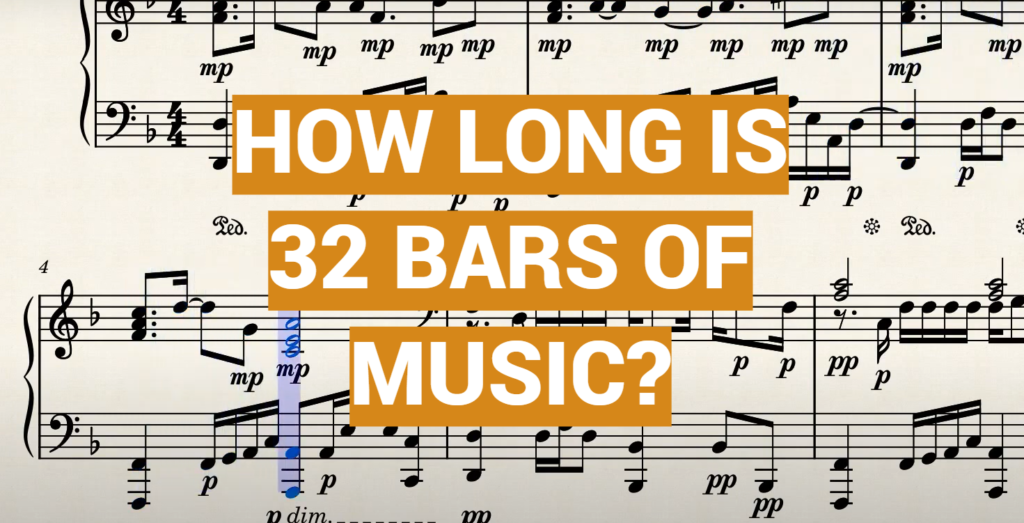
Another gem from Watson’s 30 years of experience: think in 32-bar phrases .
Why 32 Bars?
“32 bars is a lovely number. It’s enough time to repeat something, yet enough time to do a little improvisation with the sequence without it getting out of control, then you go again” .
What to do within 32 bars:
| Element | Action |
|---|---|
| Melody | Add a small note variation here and there |
| Rhythm | Add an extra percussion part as a fill or fake hit |
| Velocity | Add extra velocity to certain parts |
| Layering | Introduce or remove elements |
Level Up: 128-Bar Variations
“If you are brave, create four different ones and bring them all together for 128 bars of what seems like random playing across the track, but is actually easier to do than it sounds” .
Advanced technique: Play back the entire track and record extra note takes again and again until you find the most natural one and keep that.
The Result
“It’s the small details that matter” . These subtle variations across 32-bar sections are what separate professional tracks from amateur productions that sound repetitive and lifeless.
Bonus: Stock Plugins Are Your Friend
You don’t need expensive third-party plugins to create professional music. The me n ü duo shares that they primarily use stock plugins :
| Stock Plugin | Use Case |
|---|---|
| Logic’s Channel EQ | Their go-to EQ (they’ve tried countless alternatives and always return to it) |
| Logic’s Tape Delay | Their primary delay effect |
| OneKnob Filter | Adds warmth and movement to tracks |
“It’s the painter who makes the picture—not the paint” .
Conclusion: Consistency Is a Systems Problem
Professional producers don’t rely on mood, new plugins, or three-hour windows of uninterrupted time. They build systems that work regardless of external factors .
Key Habits Summary
| Habit | Why It Matters |
|---|---|
| Fixed session blocks | Builds consistency over inspiration |
| Core Four philosophy | Creates focus and clarity |
| Strategic panning | Opens up mix space |
| Physical automation | Humanizes your music |
| 32-bar thinking | Adds life and variation |
Final Verdict
| Element | Rating | Notes |
|---|---|---|
| Approachability | 5/5 | Any producer can implement these habits today |
| Impact on Quality | 5/5 | These habits consistently produce better music |
| Cost | 5/5 | These habits are free—they cost zero money, just effort |
| Sustainability | 5/5 | Systems-based, not motivation-based |
Whether you’re producing house, hip-hop, pop, or techno, these principles transcend genre. They’re about being intentional with your workflow, humanizing your music, and finishing what you start.
Related Content
Explore more production tips and music articles:
- Production Tips – More tutorials and techniques for music producers
- Gear Reviews – Honest reviews of studio equipment and plugins
- Software & Plugins – DAW and plugin news and reviews
- Industry Insights – Music business news and trends
What production habit has made the biggest difference in your workflow? Share your thoughts below. For more production tips and music news, stay tuned to MusicArticles.org.